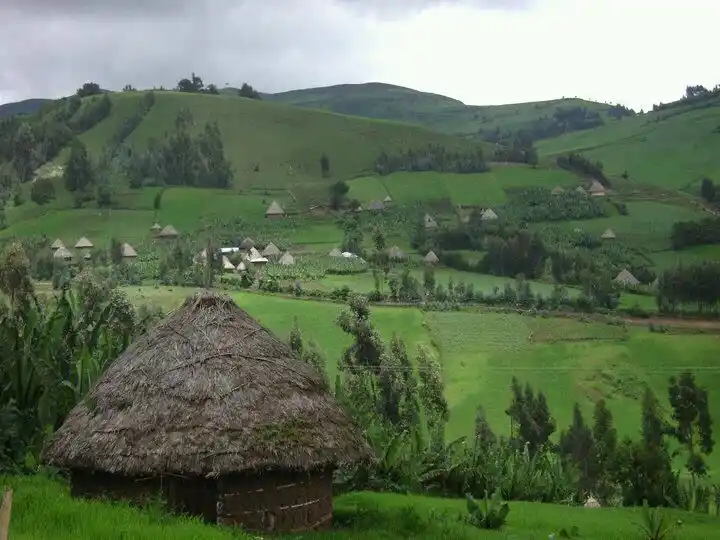
Ethiopia Travel Guide

Practical articles to help you plan a trekking, wildlife and cultural journey across Ethiopia — from Bale and Simien to Lalibela, Danakil and beyond.

Best Time to Visit Ethiopia

Planning

When to Go

An overview of seasonal considerations for visiting Ethiopia's highlands, historic north and lowlands, to help time your trip around your interests.

Temperatures vary widely across Ethiopia. On the high plateaus of Bale and Simien, daytime temperatures hover around 5°C (41°F) with relentless winds, dropping below zero at night; lower highland areas and forest zones such as Harenna are a few degrees warmer, but nights can still reach freezing. In the historic north around Lalibela, Gondar and Aksum the climate is milder and generally pleasant year-round, while the Danakil Depression and the Omo Valley lowlands are hot to extreme almost all year.

Weather changes frequently, and with increasing altitude the climate gets colder and wetter — above 3,000m night frosts are common. Rain falls most days in the highlands from May until September, cloaking the mountains in mist. May through July is still a pleasant time to trek despite afternoon showers, and June is best for spring wildflowers. From October to April days are generally sunny with clear night skies, and this is the best window for highland trekking. In the Danakil, the cooler months from November to March are strongly preferred, as daytime heat later in the year can become dangerous.
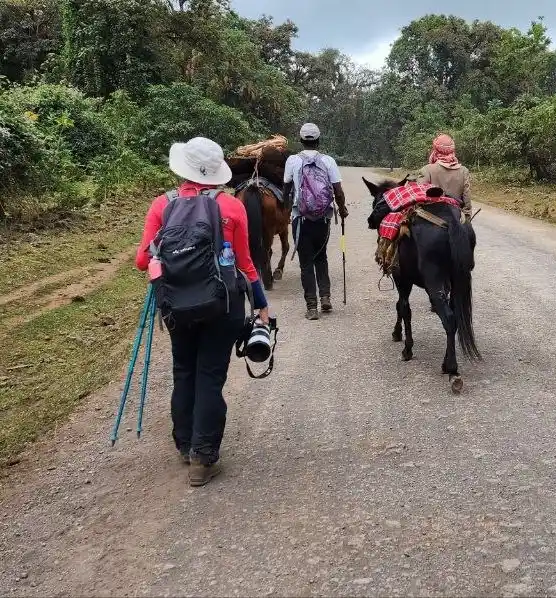
Ethiopia Trekking Guide

Trekking

Ethiopia Trekking Guide

An introduction to trekking terrain and what to expect across Ethiopia's highland national parks, from the Bale plateau to the Simien escarpments.

Ethiopia's two great trekking regions offer very different terrain. In Bale, the Sanetti Plateau is high-altitude, open and exposed, with thin air and cold temperatures even in strong sun, while Web Valley offers gentler grassland walking and the Harenna Forest is humid, shaded and dense underfoot. In the Simien Mountains, trails follow dramatic escarpments and deep gorges, with camps perched on cliff edges overlooking the lowlands.

Most itineraries combine several zones over multiple days, with camping along the route. Pace, daily distance and altitude gain can all be adjusted, so let us know your fitness level and preferred region and we will shape a route around it rather than the other way around.

How to Get Around Ethiopia

Planning

Getting to Ethiopia's Destinations

Guidance on reaching Bale, Simien, the historic north and the southern lowlands as part of your Ethiopia itinerary.

Most journeys begin in Addis Ababa, with onward travel to the regions by domestic flight or road depending on the destination. Bale Mountains National Park lies in the southeast, the Simien Mountains and the historic north (Lalibela, Gondar, Aksum) lie north of Addis, the Danakil Depression is reached via the northeast, and the Omo Valley lies to the south — travel times vary considerably, so it's worth building in a flexible schedule.

Once you know your arrival city and dates, get in touch and we can help you plan how each destination fits into the rest of your Ethiopia trip, including how much time to set aside for travel between regions.

What to Bring to Ethiopia

Planning

What to Bring

Practical packing considerations for highland weather, forest and lowland conditions, and multi-day trekking anywhere in Ethiopia.

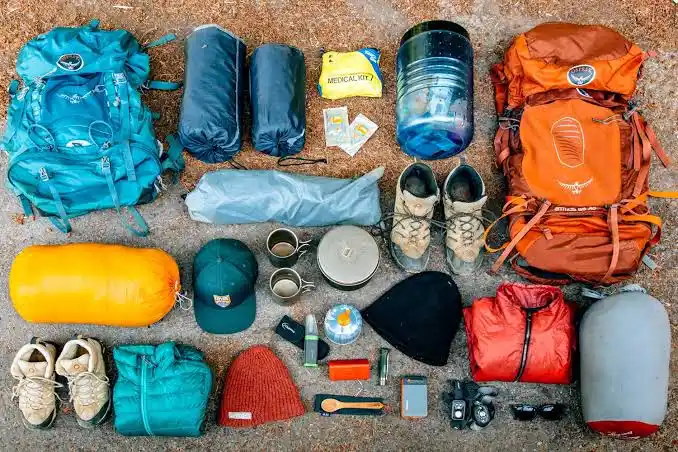
Very basic camping items can be rented at trailheads such as Dinsho, but it's best to bring your own gear where possible. Only basic foodstuffs are reliably available in small highland towns, so bring other supplies if you have specific needs; fresh fruit, vegetables and eggs are usually available on local market days, and your guide can help with shopping. Water should always be treated, since purification supplies are not widely available on the trail.

Because a single Ethiopia itinerary can move between freezing highland nights, humid forest and the extreme heat of the Danakil lowlands, layering is the most useful packing strategy. Bring warm layers, a windproof outer layer and sturdy, broken-in footwear for the highlands; a hat and high-SPF sunscreen for sun exposure everywhere, especially in the dry season and the lowlands; and lightweight, modest clothing for humid forest areas and for visiting religious sites such as Lalibela's churches or Harar's mosques. During the rainy season (roughly June to October) highland trails can be wet and muddy, so proper trekking shoes are essential.

Accommodation in Ethiopia

Planning

Accommodation

An overview of lodges, hotels and camping options across Ethiopia's national parks and historic towns.

Options vary widely by destination. In Bale, the world-class Bale Mountain Lodge has operated in the Harenna Forest since 2014, while budget to midrange accommodation is available in Goba, Robe and Dinsho; a series of overnight hiking huts stud the Adaba-Dodola trekking trails, though the only option for hikers within the national park itself is camping, using your own gear or equipment hired at Dinsho. In the historic north, Lalibela, Gondar and Aksum all offer a good range of hotels and guesthouses, and Harar has characterful old-town guesthouses within its walls.

In more remote regions such as the Danakil Depression and the Omo Valley, camping is generally the only realistic option, and our teams handle all camp logistics along the route. Wherever you're headed, let us know your comfort preferences and budget and we'll match your itinerary to suitable accommodation.

Health and Safety in Ethiopia

Planning

Health and Safety

Practical guidance on altitude, malaria, heat and everyday safety when traveling around Ethiopia.

Altitude sickness: Because most travelers first spend time in Addis Ababa, few suffer from Acute Mountain Sickness (AMS) once they reach the Bale or Simien highlands. Acclimatization is the only real prevention, and cold, wind, dehydration, strenuous exercise and common colds all increase susceptibility. Symptoms include headaches, lightheadedness and fatigue; staying hydrated helps, and if symptoms don't improve, descending to lower altitude is the reliable cure. Malaria: the Bale and Simien highlands are malaria-free, so medication isn't necessary there, but you may pass through or visit lower-altitude areas — including parts of the Omo Valley and Danakil route — where malaria precautions are worth discussing with a travel clinic. Heat: the Danakil Depression is one of the hottest places on Earth, so pace yourself, stay well hydrated and follow your guide's timing for exposed sections.

Petty crime is rare but does occur, as it might anywhere — take the same sensible precautions you would while traveling elsewhere. Ethiopia has no venomous spiders or dangerous snakes in its highland areas, aside from a few rarely-seen snakes in forest zones like Harenna. Rabies exists in the domestic dog population in some areas, and dogs occasionally act aggressively toward strangers; keep a safe distance from all dogs, and if approached, stand your ground and pretend to throw a rock, which should be enough to scare it off.

Ethiopian Wolf Guide

Wildlife

Ethiopian Wolf & Wildlife Guide

An introduction to the Ethiopian wolf, gelada baboon and other highland wildlife, and responsible viewing.

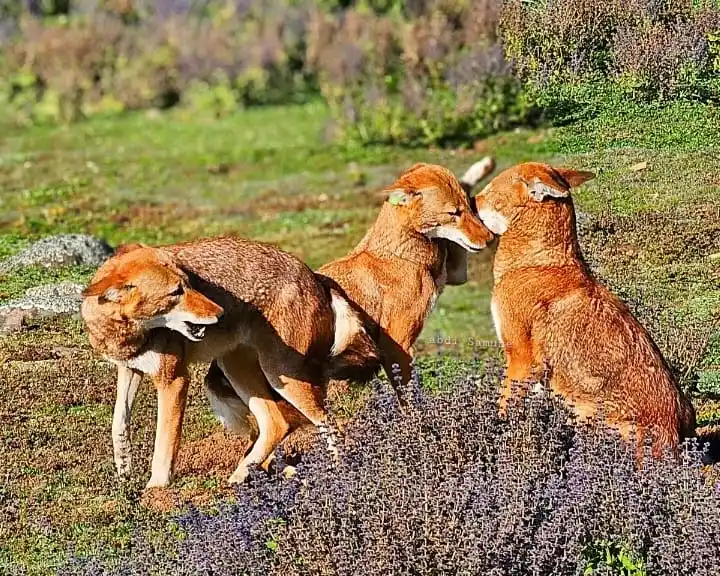
The Ethiopian wolf is one of the rarest canid species in the world, and both the Bale Mountains (particularly the Sanetti Plateau) and pockets of the Simien highlands are important strongholds. The wolves are most active during daylight hours, hunting rodents across open moorland. In the Simien Mountains, large troops of gelada baboons graze the cliff edges and are one of Ethiopia's most rewarding highland wildlife encounters.

Responsible viewing means keeping a respectful distance, staying quiet and following your guide's lead at all times. Sightings are never guaranteed since these are wild animals in open terrain, but patience and early starts generally offer the best chances, wherever in Ethiopia you're watching from.

Horse Trekking in Ethiopia

Trekking

Horse & Mule Trekking

What to know about exploring Ethiopia's highland routes on horseback or with pack animals.

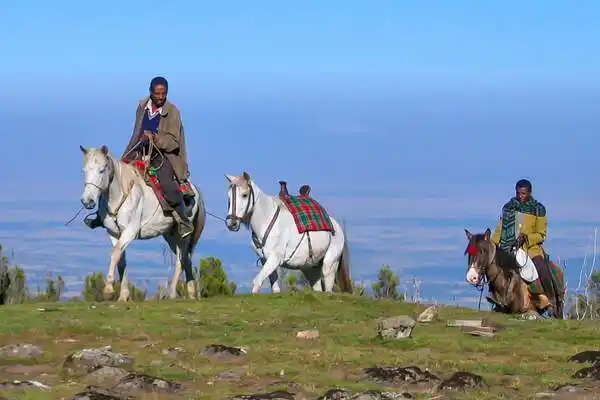
Horse and mule trekking offers an alternative way to move through parts of Ethiopia's highlands, including selected routes in Bale, and can be especially useful for reaching more remote areas or supporting longer multi-day camping treks without carrying full loads on foot.

Which routes are suitable depends on the season, trail conditions and your own riding experience. If you're interested in including horse trekking in your itinerary, let us know and we'll confirm what's possible for your planned route and dates.

Bale Mountains vs Simien Mountains

Planning

Bale Mountains vs Simien Mountains

A comparison of Ethiopia's two great mountain trekking regions to help you decide where to go.

Ethiopia's two best-known mountain trekking regions offer quite different experiences. The Simien Mountains are known for dramatic escarpments, deep valleys and gelada baboon troops, while Bale is defined by its vast Afro-alpine plateau, the Harenna cloud forest, and its role as a stronghold for the Ethiopian wolf.

Many travelers visit one or the other depending on time available, though both can be combined into a longer Ethiopia itinerary. If you're deciding between them, tell us what you're most drawn to — wildlife, landscape, culture or trekking style — and we can help you weigh the options.

Choosing Your Ethiopia Destination

Planning

Choosing Your Ethiopia Destination

A quick guide to Ethiopia's main regions — highlands, historic north, and southern & northeastern lowlands.

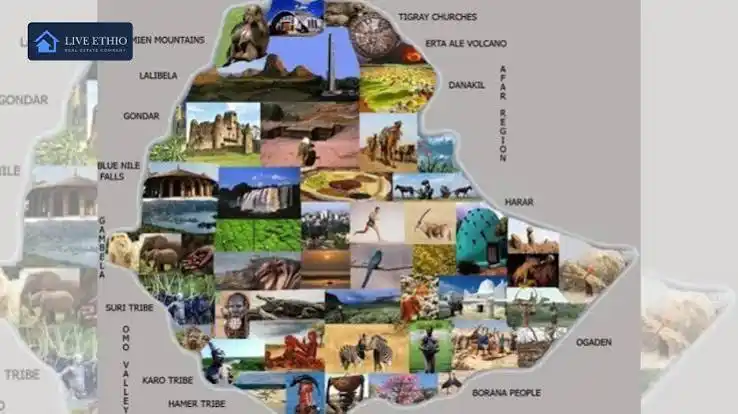
Ethiopia is large and varied enough that most visitors combine several regions rather than choosing just one. For trekking and wildlife, Bale and the Simien Mountains are the standouts. For history and architecture, the northern circuit of Lalibela, Gondar and Aksum covers rock-hewn churches, royal castles and ancient stelae. For dramatic, otherworldly landscapes, the Danakil Depression is unmatched, and for cultural immersion, the Omo Valley and the walled city of Harar Jugol offer very different but equally rich experiences.

Most of our multi-destination itineraries combine two or three of these regions depending on the time you have available. Tell us how many days you have and what draws you most, and we'll help put together a route that makes sense geographically and logistically.

Ready to Start Planning?

Use these articles as a starting point, then reach out with your specific questions.